On December 28, 2025, Iranian President Masoud Pezeshkian proposed the 2026/2027 budget to the Iranian Parliament’s budget oversight committee. However, this has proven problematic because his new plan would include a 62% revenue tax increase for Iranian citizens. Recently, the Iranian economy has been struggling, meaning that these citizens cannot afford to pay the new tax. In response, many Iranians have begun to protest.
Recently, inflation in Iran has spiked to a concerning degree. The International Monetary Fund stated that, within Iran, the inflation rate of average consumer prices is going to rise by 41.6% in 2026. To further complicate the matter, on December 28, 2025, the value of the Iranian rial reached 1,445,000 rials per one US dollar. Due to its extremely low value, the Iranian Rial is considered the weakest currency in the world. This can make affording necessities extremely difficult, especially when attempting to import items.
Currently, according to Iran International, “major industrial cities such as Mashhad, Esfahan, and Tabriz also witness high costs of living ranging from 200 to 220 million rials per month.” However, they also stated that “the minimum wage in Iran is about $150 a month and the average income of people is between $150 to $250.” This means that the minimum wage in Iran is about 215 million rials per month. Many Iranians are struggling to cover their basic daily expenses, leaving them unable to afford Pezeshkian’s proposed increase in taxes.
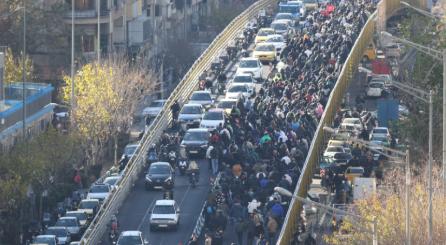
Due to the combination of the proposed tax increase and the current economic crisis, protests began in Tehran, the capital of Iran, on December 28. According to the Institute for the Study of War, “groups of less than roughly 100 civilians, who were reportedly Iranian ‘businessmen’, marched from Lalezar Street toward the Imam Khomeini Square on December 29, demanding that the Iranian government intervene in the economy and address the high inflation rate and devaluation of the currency.”
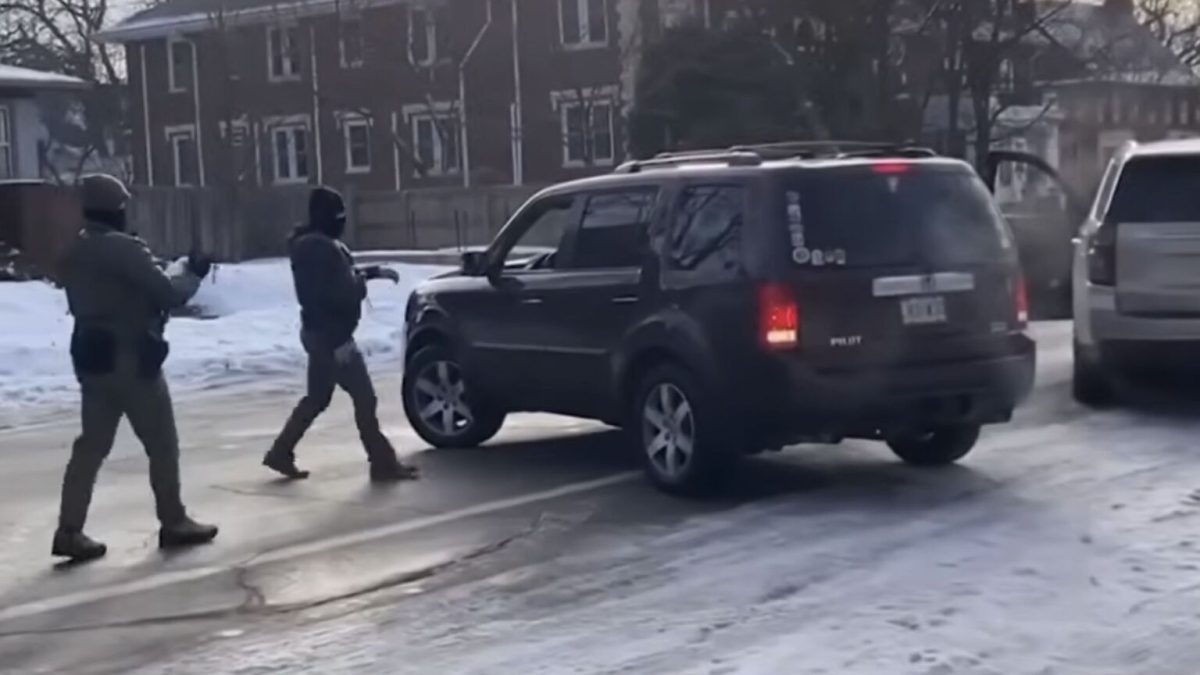
Iranian security forces stopped the protestors at the Istanbul intersection on December 29, according to Islamic Revolutionary Guards Corps footage. Iranian security forces also launched tear gas on different protesters on Boali Street in southern Hamedan City on December 29. A BBC Persian journalist also reported that economic protests occurred in Malard City, and on Gheshm Island in the Persian Gulf. However, no footage of the protests has been provided.
On January 3, 2026, Iran’s Supreme Leader Ayatollah Ali Khamenei spoke, stating that the president and other high-ranking officials are working to fix “the economic difficulties in the sanctions-battered country.” He also stated that “the shopkeepers have protested against this situation and that is completely fair.”
A solution remains elusive, since neither party has demonstrated a willingness to back down. Consequently, no compromises have been reached, meaning that inflation will continue to rise and the 62% revenue tax increase may be enacted. President Trump stated on January 2, 2026, that the United States is “locked and loaded” to act if Iran kills protesters.